NOW STREAMING • EPISODE 1 LIVE
SOLE
CONFESSIONS
by FootHubb • Hosted by Jalen Graham

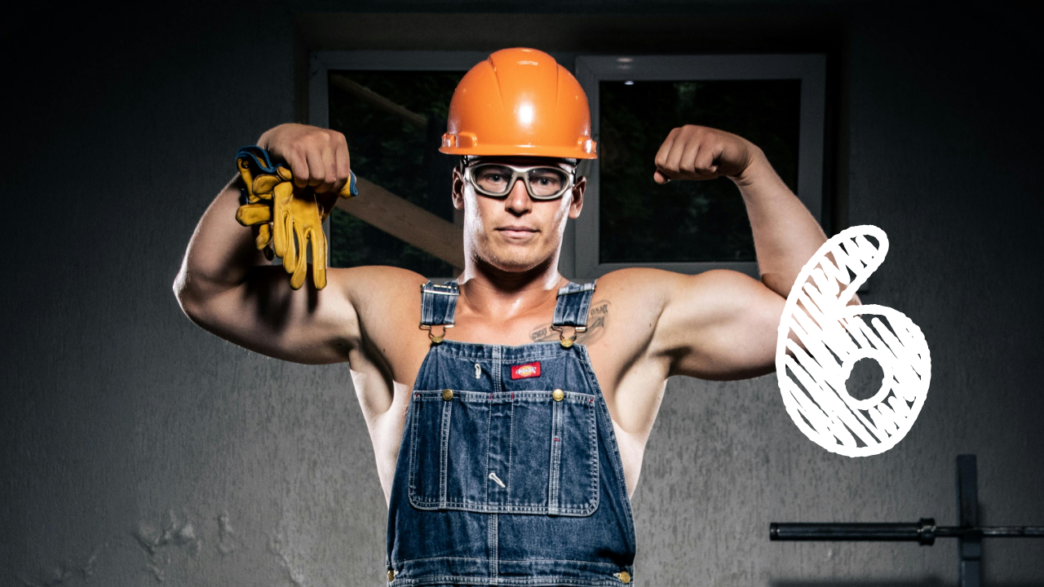
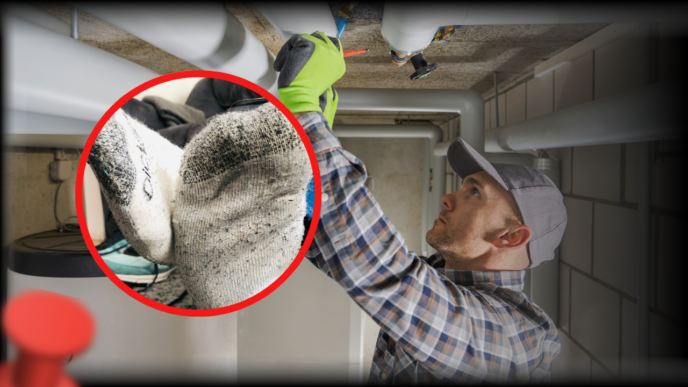
While sneaker culture and used athletic wear continue to influence broader footwear conversations online, construction-related sock postings — particularly heavy stinky cotton socks worn inside work boots and steel toe footwear — have quietly become the dominant force driving demand metrics across the platform’s analytics ecosystem.
According to FootHubb’s recent SockMarketX data, workwear-associated socks now account for a significant portion of high-value demand activity, with large shoe sizes, multi-day wear duration, and labor-intensive environments producing the strongest engagement levels globally.
Construction workers often spend 10 to 14 hours in enclosed steel toe boots under physically demanding conditions that dramatically increase strong foot smell and deep sweaty sock saturation.
“Construction remains the gold standard of the market,” one SockMarketX analyst said. “The combination of heavy labor, long shifts, thick work boots, outdoor heat exposure, and repeated movement creates a level of wear intensity that simply doesn’t exist in lower-demand categories.”
That smell intensity has become one of the strongest predictors of market value.
Data from the platform’s estimator system shows that listings associated with:
consistently rank at the top of demand indexes.
Among the most influential variables is sweat retention.
Construction workers operating in hot environments experience elevated foot temperature throughout the day, especially when wearing insulated or reinforced boots designed for protection rather than ventilation. Combined with thick cotton socks and physically demanding movement, the result is a concentrated buildup of sweat, moisture, and powerful foot stink over time.
The longer the wear duration, the more amplified the effect becomes.
SockMarketX volatility models indicate that socks worn for three or more consecutive days inside work boots begin entering what our analysts internally refer to as the “high-demand range,” particularly when paired with larger shoe sizes such as Size 13 through Size 16. Those socks can sell for upward of $50-$60 a pair.
But wear duration alone is not enough.
The platform’s behavioral models also factor in labor intensity. Construction consistently ranks above office, retail, and casual categories due to its combination of:
Together, these variables contribute to stronger foot smell, visible wear characteristics, sweat-heavy fabric conditions, and higher overall market demand signals.
Climate also plays a major role.
Regions with high humidity and elevated temperatures — including parts of the southern United States, Latin America, Southeast Asia, and industrial urban centers — continue to produce some of the strongest “stink index” scores on the platform’s live Global Stink Map.
“Heat and humidity accelerate everything,” another analyst noted. “When you combine summer temperatures, heavy work boots, sweat buildup, and physical labor, you create conditions that significantly increase demand metrics.”
Even color trends appear to matter.
White construction socks remain one of the strongest performing categories due to their visibility and association with heavy wear patterns. Black work socks also continue performing strongly, particularly in industrial sectors such as welding, mechanics, and warehouse operations.
For now, the data remains clear:
hard labor, long hours, sweat saturation, heavy work boots, intense foot stink, and extended wear duration continue to dominate the market.