NOW STREAMING • EPISODE 1 LIVE
SOLE
CONFESSIONS
by FootHubb • Hosted by Jalen Graham


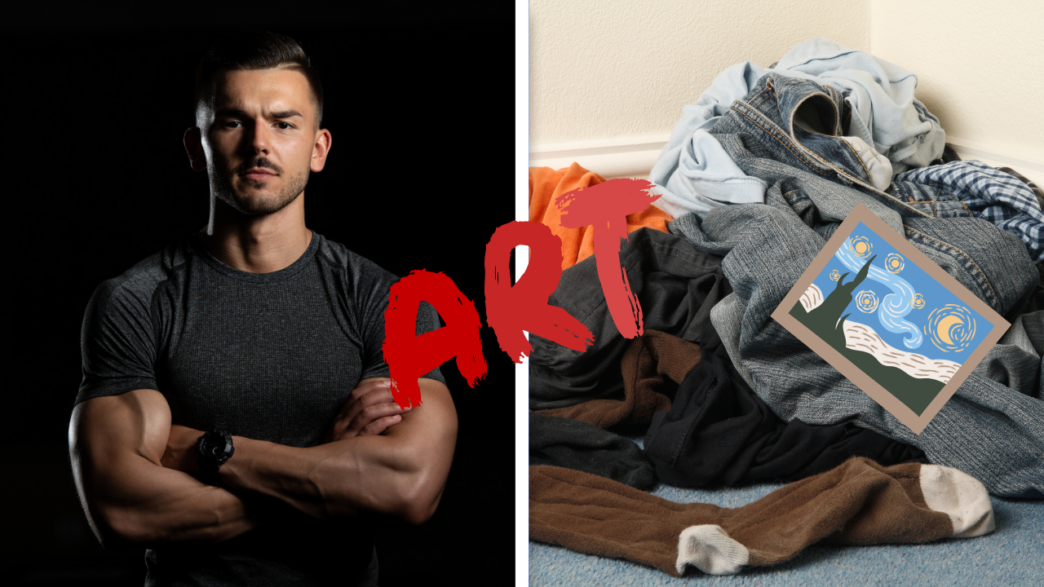
The 31-year-old athlete, known for his lightning reflexes and massive size 14 shoes, told fans who asked for his shirt or socks after the game, “You don’t want the socks bro” he said after a recent three-hour match:
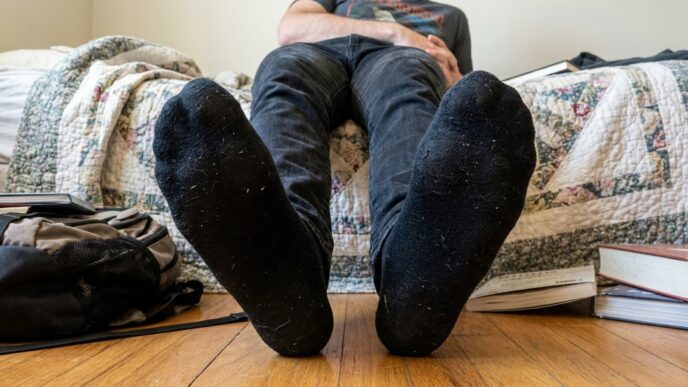
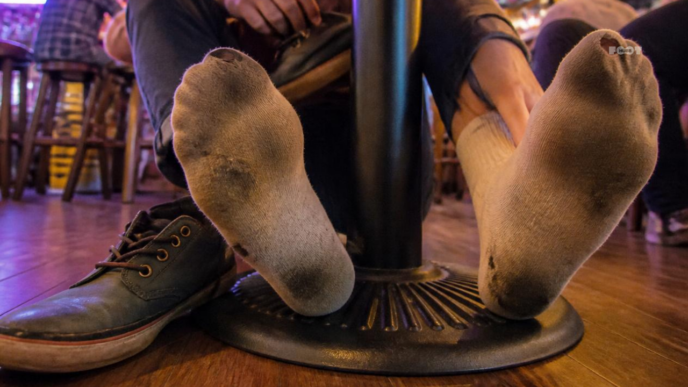
“After that long on the court, my socks reek like ammonia. They’re so stiff with sweat they could practically stand up and run away themselves. I call it hard work of art.”
Brett spent eight years at the top of the pro tag world, claiming title after title and leaving a trail of defeated challengers gasping in his wake of take downs. But his endurance comes at a strange, smelly price: his legendary post-game footwear.
Teammates joked, “You don’t need to tag him — just catch a whiff, and you’re out.”
Fans are already clamoring for memorabilia, with some suggesting his hardened socks should be auctioned off as performance art pieces. Others aren’t so sure.
One spectator summed it up: “He’s a legend, but I don’t think I want to smell greatness that close.”
Still, the champ remains unbothered:
“If my socks make history while I’m making plays, so be it. That’s just the price of greatness.”
FootHubb Sports